How Q2 Patrol protects financial institutions from unauthorized access
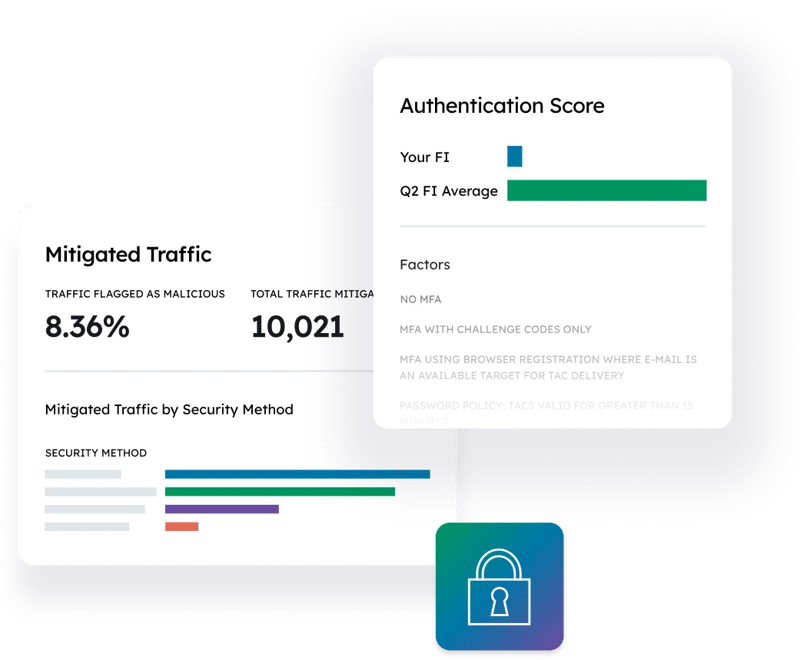
Q2’s proven real-time, risk-based access control solutions are designed to prevent sophisticated cybercriminals from entering your digital banking environment to commit fraud.
Q2 Patrol continuously monitors user behavior and device activity to detect and prevent unauthorized access. Using real-time risk analysis, Patrol helps financial institutions strengthen security, mitigate account takeover (ATO), and enforce adaptive/step-up authentication without disrupting legitimate user experience.
For greater account holder trust and revenue generation
Knowing their accounts are safe, customers and members will be more interested in building deeper relationships with your institution.
Gain competitive differentiation
A more complete access control framework wins more account holders. They’ll appreciate your innovative approach to staying ahead of cybercrime.
Meet compliance
Ensure legal and policy requirements and governance while making reporting and auditing processes more efficient.
How Q2 applies Zero Trust principles to digital banking security
Zero Trust principles are at work at Q2 to bring more complete security to financial institutions and account holders.
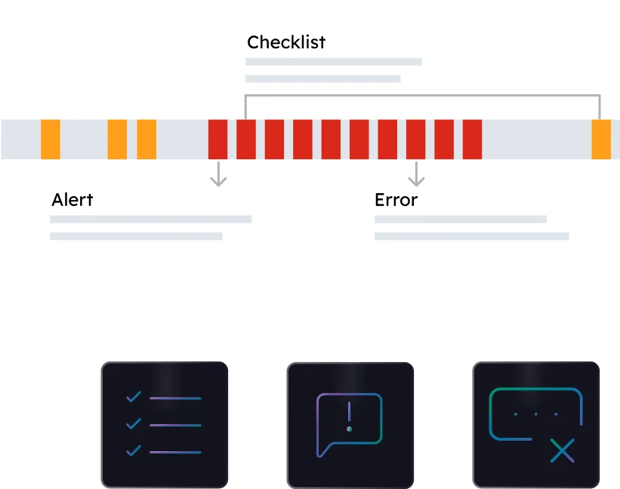
Our distributed cloud approach is protected by a Secure Access Service Edge (SASE), giving Q2’s Integrated Operations Center (IOC) constant threat visibility and mitigation for you and your account holders.
Q2 continuously verifies a user’s rights
Enforce constant authentication and authorization access to your institution’s systems and network.
Least-privileged policies in place
Limit user access with just-in-time and just-enough access.
Breaches are prevented
Q2 segments access by network, user, device, and application awareness to avoid breaches.
Access monitoring with anomaly detection
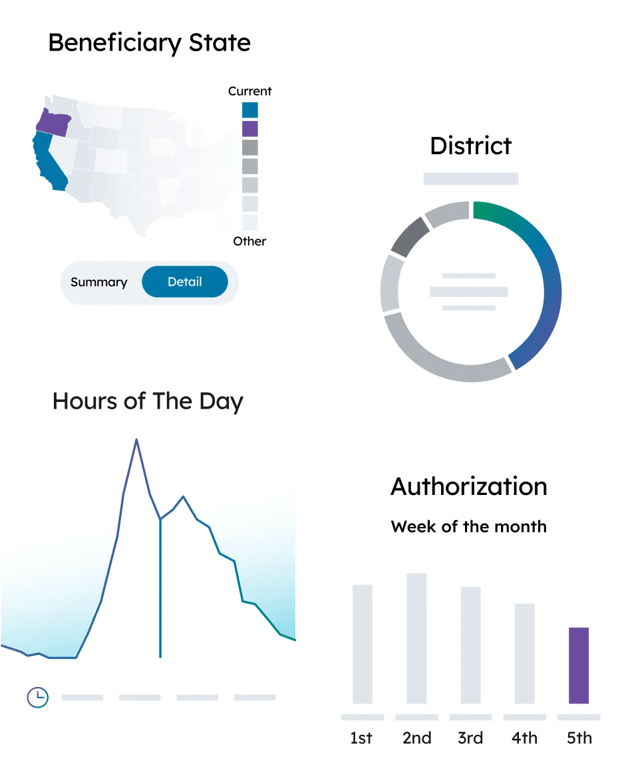
Monitoring login and behavior patterns with Q2 Patrol allows us to optionally prompt users for step-up authentication before accessing high-risk events when we detect anomalous activity, such as an access request from an unusual location or device.
Access details are continuously tracked, including day and time, state location of IP address, device type (mobile, tablet, desktop), and browser/app. Anomalies found in use patterns trigger Patrol.
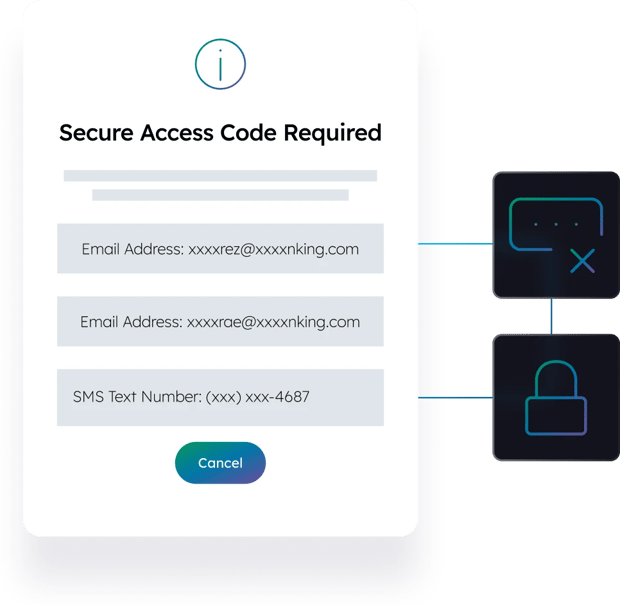
Authentication can occur via Secure Access Code (SAC) or Symantec token (virtual or physical).
Add users, change alerts, authorize external transfer, and change contact information when needed
You also can access administrative reporting of user logins and device details for reviews.
Get extra protection with OFAC restrictions and Q2 Security Insights
Based on your account holder composition and level of global commerce, you can enable extra protection layers to prevent undesirable login attempts with our OFAC login restriction service. This service can be configured to restrict direct access from countries listed for U.S. Treasury sanctions, or a higher tier that includes additional high-risk countries.
With Q2 Security Insights, your institution gets deeper visibility into the full set of network traffic managed by Q2 to correlate signals from your Q2 stack for your own security assessment purposes.
-

“CISOs are increasingly acknowledging that it will require more than just raising employee security awareness, if the objective is minimizing cybersecurity risk exposure from eminently avoidable employee actions. Enterprises that are serious about human risk management must go further.”
Gartner
4 Ways to Achieve Secure Employees, 2023 -
“Remember that the efficacy of zero trust depends on 100% deployment. That means everyone uses multifactor, every bit of data is protected, and every endpoint has anomaly detection. Vulnerability at a single access point can create vulnerability in the entire system.”
Lou Senko
Chief Availability Officer, Q2

