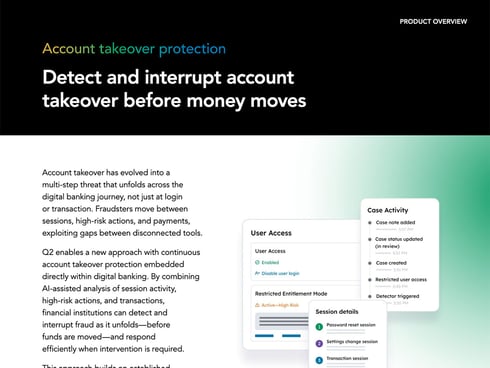
Stop account takeover before it does damage
Continuous protection across the digital banking journey
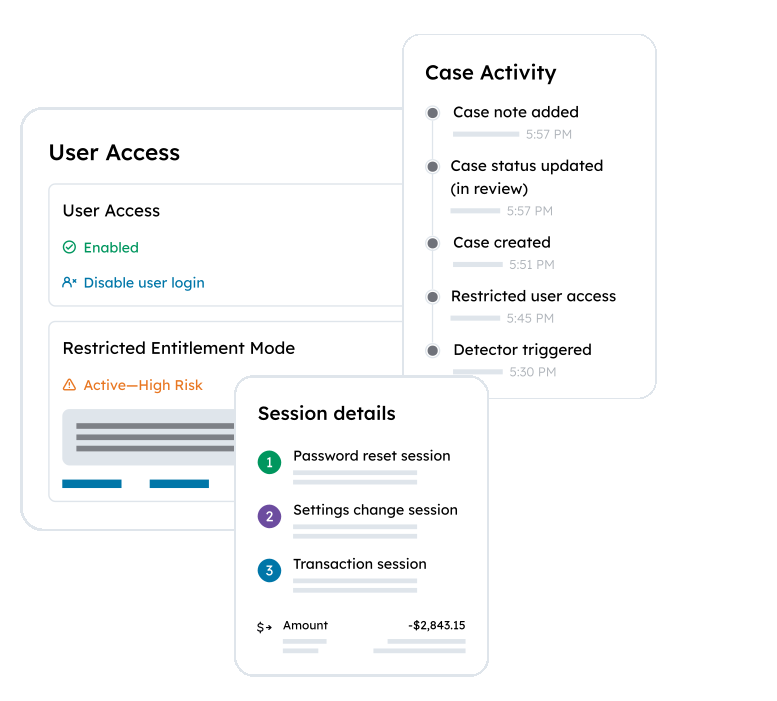
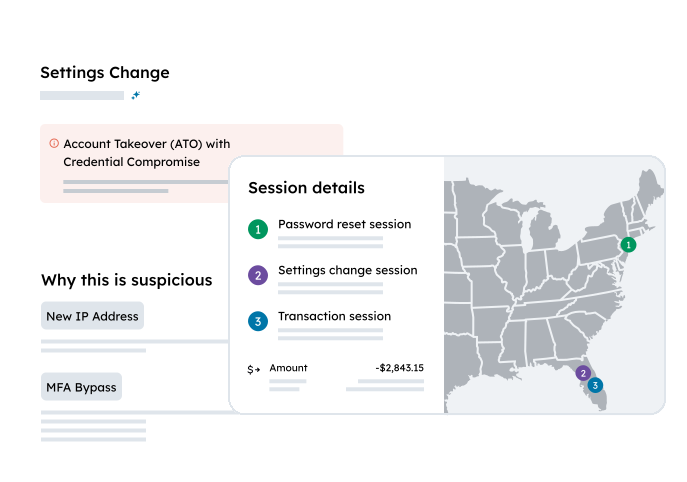
Modern account takeover attacks rarely appear as a single event. They unfold across the digital banking journey, from suspicious session behavior to high-risk account changes and fraudulent transactions. Continuous account takeover protection connects these signals so financial institutions can identify risk earlier and respond before losses occur.
Spot risk earlier with in-session detection
User Activity Monitoring tracks activity and behavior in the digital banking session, helping financial institutions identify suspicious patterns even when attackers use valid credentials.
- Analyze navigation behavior, event sequencing, and interaction timing
- Surface suspicious session activity before a transaction is initiated
- Add context to decisioning without relying on credentials alone
Interrupt and contain threats in real time
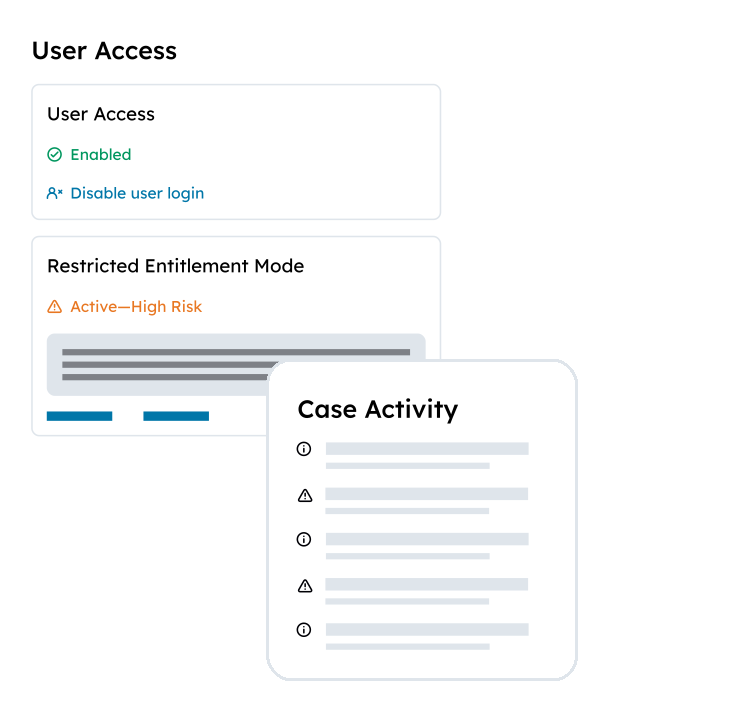
Restricted Entitlements Mode coordinates high-risk event protection, transaction monitoring, and automated response so institutions can step up friction, flag activity, restrict access, or limit actions when compromise is detected.
- Rapidly respond to suspected fraud or compromised accounts
- Apply configurable containment actions to help stop fraud in flight
- Reduce the manual intervention burden on the frontline
FAQs
What is account takeover?
Account takeover occurs when a fraudster gains unauthorized access to a legitimate user’s account, often by stealing login credentials through phishing, malware, credential stuffing, or SIM swapping. Once inside, attackers can quietly update contact details, disable alerts, and move funds without immediate detection.
What makes account takeover hard to stop with traditional fraud controls?
Traditional controls often focus on isolated points such as login authentication or transaction monitoring. Modern account takeover attacks move across the digital banking journey, which can leave gaps between tools and workflows.
How are Q2's account takeover protection solutions different from transaction monitoring alone?
It connects behavioral intelligence, high-risk event protection, transaction monitoring, and automated response within digital banking. That broader view helps financial institutions detect suspicious activity earlier and take action before funds move.
Related resources
Better outcomes for everyone
AI should do more than automate tasks. It should help financial institutions make smarter decisions, serve more people, and create better outcomes across the communities they support.
That’s the opportunity Q2 is building toward: practical, trusted AI that works across our platform, strengthens financial institutions, and helps drive progress for everyone.